Understanding Network Cabling Types
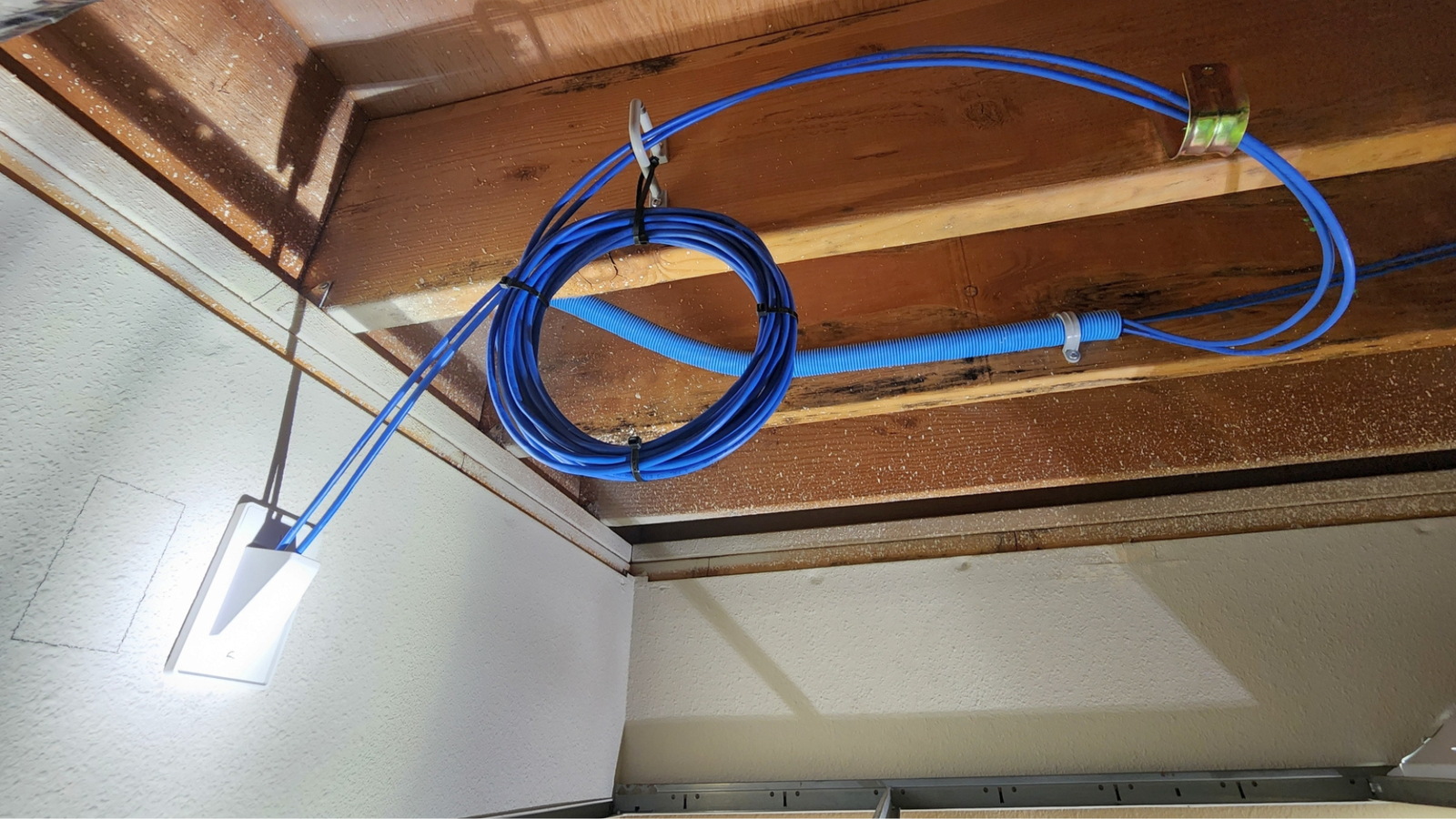
Network cabling is essential for establishing a reliable and efficient connection in both residential and commercial environments. The most common types of network cables include Ethernet cables, fiber optic cables, and coaxial cables. Each type serves different purposes and offers varying speeds and bandwidth capabilities, making it crucial to choose the right one based on your specific needs.
For instance, Ethernet cables are typically used for local area networks (LANs) and are available in different categories, such as Cat5e, Cat6, and Cat6a, which differ in performance. Fiber optic cables, on the other hand, are ideal for high-speed internet connections over longer distances, while coaxial cables are often used for cable television and internet services. Understanding these options helps users make informed decisions about their network infrastructure.
The Benefits of Professional Installation
While DIY network cabling may seem cost-effective, professional installation offers numerous advantages that can save time and ensure optimal performance. A qualified low voltage specialist can assess the unique requirements of your space, recommend the best cabling solutions, and install them according to industry standards.
Moreover, professionals can troubleshoot potential issues before they arise and provide ongoing support and maintenance. This not only enhances the reliability of your network but also helps avoid costly mistakes that can occur during self-installation, ultimately leading to a more efficient and effective setup.
Common Network Cabling Mistakes to Avoid
When setting up network cabling, there are several common mistakes that can hinder performance and reliability. One major error is underestimating the number of cables needed, which can lead to connectivity issues as the network grows. Additionally, improper cable management can result in tangled wires, making troubleshooting difficult.
Another frequent mistake is choosing the wrong type of cable for specific applications, which can limit speed and bandwidth. For example, using outdated cables in a high-speed environment can severely impact performance. Being aware of these pitfalls can help users create a more robust and efficient network setup.
Future-Proofing Your Network Infrastructure
As technology continues to evolve, future-proofing your network infrastructure becomes increasingly important. This involves planning for scalability and ensuring that your cabling can support higher speeds and increased data demands over time. By investing in higher-category Ethernet cables and fiber optics, you can accommodate future upgrades without needing a complete overhaul.
Additionally, considering factors such as wireless access points and smart home devices during the installation process can help create a versatile network. Future-proofing not only enhances current performance but also saves money in the long run by reducing the need for frequent upgrades and installations.