Understanding Structured Wiring Systems
Structured wiring systems are essential for modern homes and businesses, providing a backbone for various low voltage applications. These systems integrate multiple technologies, such as internet, video, and audio, into a cohesive network that enhances connectivity and efficiency.
For instance, a well-designed structured wiring system can support high-speed internet, smart home devices, and security systems all through a centralized hub. This not only simplifies installation but also improves the scalability of technology upgrades, making it a wise investment for both residential and commercial properties.
Common Low Voltage Wiring Issues and Solutions
Low voltage wiring can present various challenges, from connectivity issues to equipment malfunctions. Understanding these common problems is crucial for maintaining reliable performance and ensuring that your systems operate smoothly.
For example, loose connections can lead to intermittent service disruptions, while improper installation may cause signal degradation. Regular maintenance checks and professional inspections can help identify and rectify these issues before they escalate, ensuring optimal functionality of your low voltage systems.
Choosing the Right Network Cabling for Your Needs
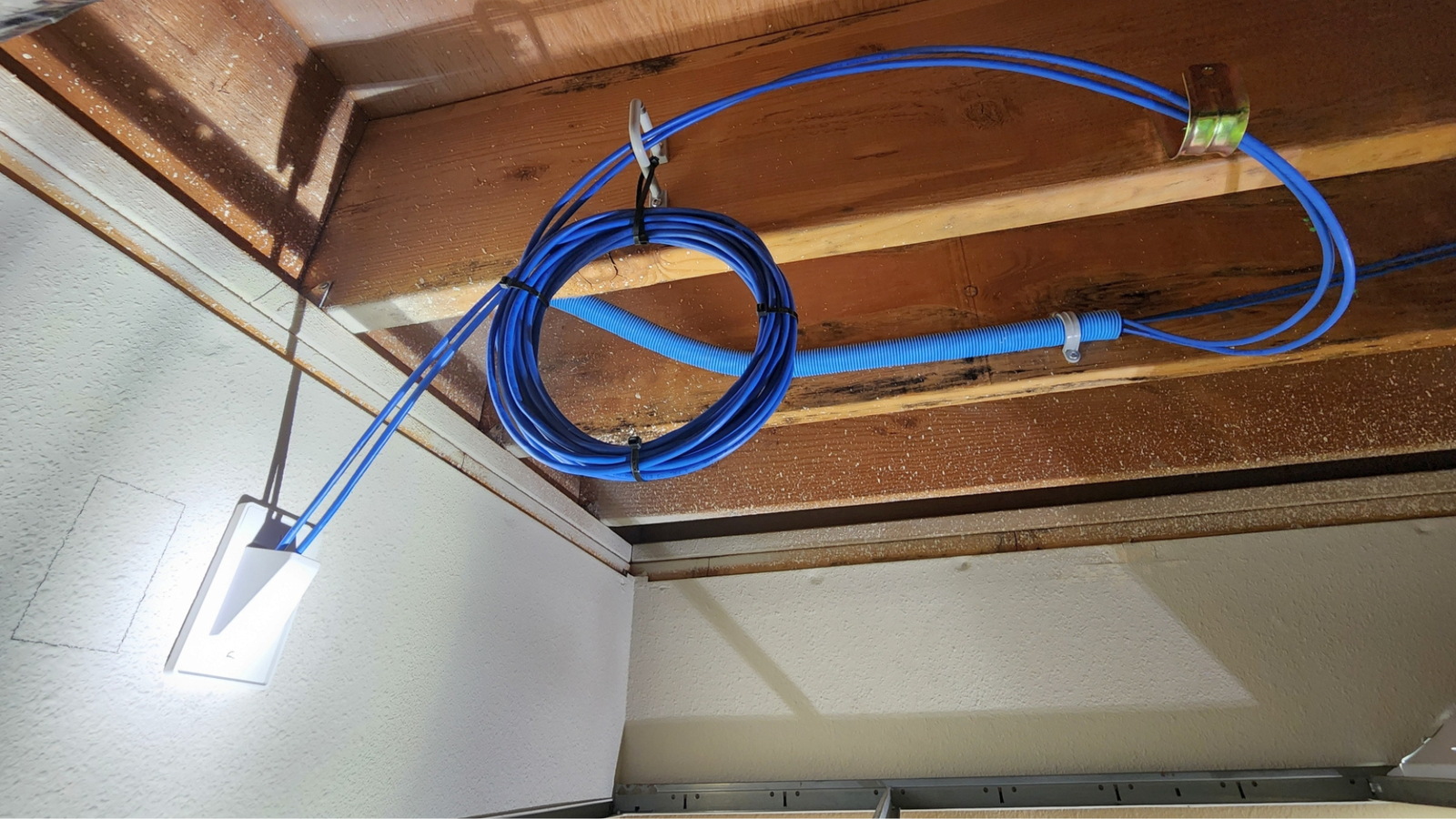
Selecting the appropriate network cabling is critical for achieving optimal performance in your wired systems. Factors to consider include the type of data being transmitted, the distance of the runs, and the environment in which the cables will be installed.
For instance, Cat6 cables are suitable for high-speed internet applications and can support bandwidths up to 10 Gbps over short distances. In contrast, fiber optic cables are ideal for long-distance data transmission and provide superior speed and reliability, making them a preferred choice for commercial installations.
Benefits of Professional Installation Services
Opting for professional installation services for your low voltage systems can save time, reduce errors, and ensure compliance with local codes. Experienced technicians possess the expertise to design and implement systems that meet specific needs while adhering to industry standards.
Moreover, professional installers can provide valuable insights into the latest technologies and best practices, helping you to avoid common pitfalls. This investment in quality installation not only enhances system performance but also prolongs the lifespan of your equipment, offering long-term value.